72-Year-Old Retired Village Herbalist Reveals a Simple Natural Remedy That Eases Stubborn Knee and Joint Pain From the Inside (Even When Every Painkiller Has Stopped Working and Doctors Are Talking Surgery)
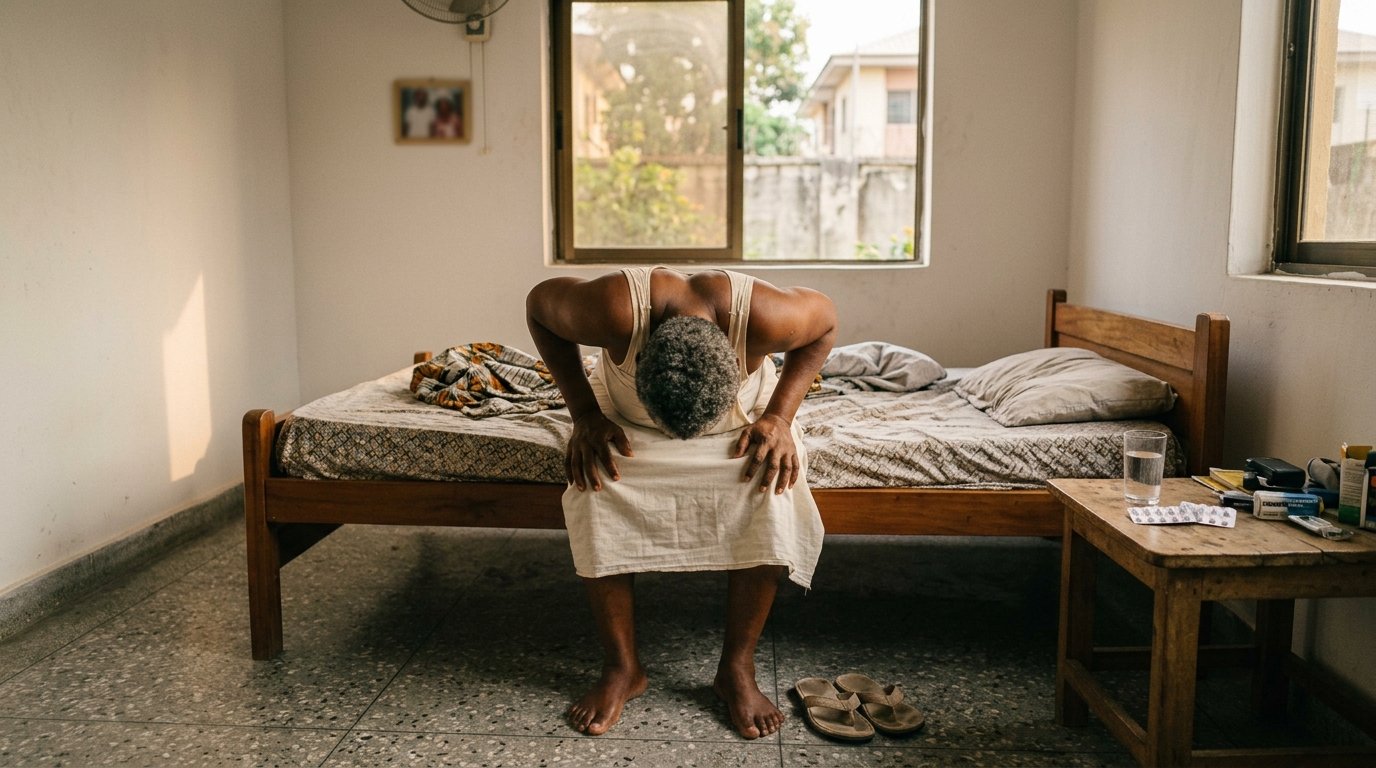
At first, it is just stiffness.
You wake up one morning and your knee feels tight. Like it needs oil. You stretch, walk around the bedroom, and it loosens up. You think nothing of it.
A month later, you are gripping the bedpost when you stand up. Not because the pain is sharp. Because your body has quietly started distrusting your knees. You do not mention it to anyone.
It does not pass.
Three months in, you are at a church service and the pastor says "Let us kneel before the Lord." The entire congregation goes down. You stay seated. You bow your head low and close your eyes, as if you are in deep prayer. But you are not praying. You are calculating. Because if you go down, you are not sure you can come back up.
You start carrying painkillers in your handbag. Two tablets before church. Two before any family gathering. You take them quietly in the bathroom, wash them down with water from the tap, and come out smiling like nothing happened. Nobody knows.
Six months in, your friend invites you to an owambe. The old you would have been the first on the dance floor. The new you sits at the table the entire time, clapping from your chair with a smile that does not reach your eyes.
One year in, the excuses have become a system. "Traffic was bad." "My schedule is full." "I am fasting, let me rest." Every lie covers the same truth: your knees will not let you live normally anymore.
Two years in, your children stop asking. Your daughter takes your arm on the staircase without a word. Your son carries things you used to carry yourself. Their hands tell you what their mouths will not: they have decided you are old.
That is the one that breaks you.
Not the pain. Not the tablets hidden in your handbag. Not the owambes you no longer attend, or the church kneeling you have quietly stopped doing.
It is the moment you realise that the people who love you have quietly reclassified you. From the person who carried everything, to the person who needs to be carried.
And late at night, when the house is quiet and your knees are throbbing, the questions come:
"If it is this bad now, what does five years from now look like?"
"How many more owambes will I sit through from a chair?"
"When does the doctor stop saying 'manage it' and start saying 'surgery'?"
If you have ever taken two painkillers in a bathroom before a family gathering so that nobody would know how much your body is failing you, then every word on this page was written for you.
Because this was my story. Every single detail of it.
And what I am about to share changed everything for me.
Not surgery. Not injections. Not another bottle of painkillers.
A simple natural practice that has been passed down quietly from traditional healers in the villages of South-West Nigeria for generations.
A practice that gave me back my knees, my movement, and my life.
My name is Sade.
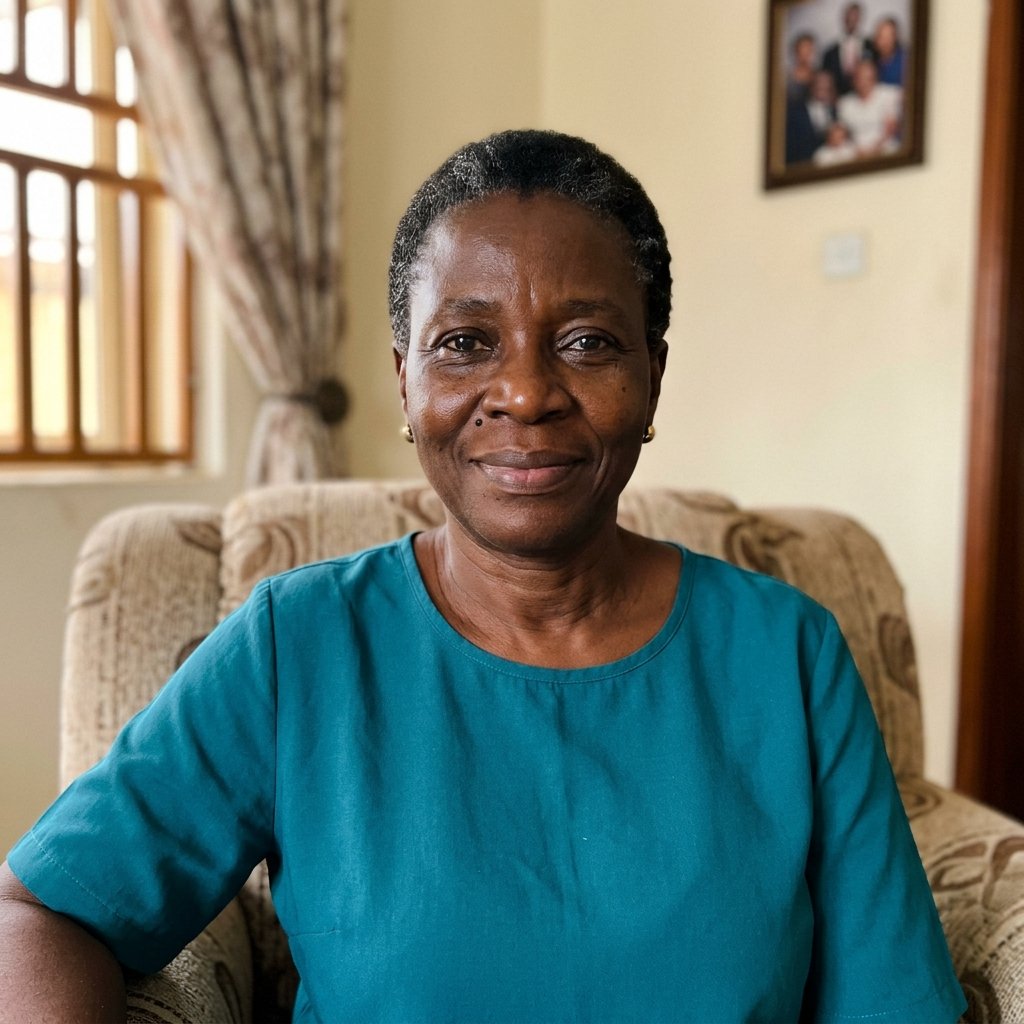
I am a retired banker from Ijebu Ode, Ogun State. I live in Ogba, Lagos.
I am NOT a doctor. I am NOT a physiotherapist. I am NOT a herbalist.
I am just a woman who spent three years trapped inside a body that refused to move the way it used to, and who found her way out.
Let me tell you my story.
When My Body Turned Against Me
It started around 2021. I was still working at the bank then. The kind of work where you sit for 8 hours, stand for meetings, and rush through Lagos traffic morning and evening.
One morning I woke up and my right knee felt tight. Not painful exactly. Just stiff. Like it needed oil. I stretched, walked around the bedroom, and it loosened up.
I thought nothing of it.
Two weeks later, both knees were stiff every morning. By the third week, the stiffness came with a low, dull ache that took an hour to fade.
By the second month, climbing the staircase at work had become something I planned around. I would take the lift when it was free. When it was full, I would wait rather than take the stairs. My colleagues noticed.
"Ahn ahn, Sade, just take the stairs na. It's only two floors."
I would laugh it off. "My legs are just tired today."
But my legs were not tired. My knees were failing me. And I knew it.
The Painkiller Years
The first thing I did was what every Nigerian does. I went to the pharmacy.
Ibuprofen. 400mg, three times a day. It worked for about 4 hours. Then the ache came back worse. Within 3 months I was taking painkillers daily. My stomach started protesting. The doctor said it was the ibuprofen eating my stomach lining. "You cannot keep taking this every day, Madam."
He prescribed a more expensive alternative. It worked for a while. Then that too lost its power.
Diclofenac gel. Both knees, every night, every morning. My bedroom smelled like a hospital. Relief lasted maybe 2 hours.
Glucosamine supplements. "It rebuilds the cartilage." N18,000 for a 3-month supply. Nothing changed.
Physiotherapy. N5,000 per session, three times a week. The exercises helped during the session, but by the time I climbed my stairs at home, the pain was waiting at the top like an old enemy.
Over N120,000 in one year. Temporary relief. Permanent frustration. And the whole time, my knees were getting worse.
One evening I was sitting on the edge of my bathtub, rubbing gel into both knees for the third time that day. My bathroom cabinet looked like a pharmacy shelf. I looked at my hands and thought: "This is my life now. A 59-year-old woman rubbing chemicals into her knees just to walk to the kitchen and back."
That was my rock bottom.
The Doctor's Words I Did Not Want To Hear
In early 2023, I finally went to an orthopaedic specialist at a teaching hospital in Lagos.
The waiting room was cold. I sat between a man on crutches and a woman whose daughter was holding her arm. I looked at both of them and thought: "Is that where I am heading?"
He examined both knees. Pressed. Bent. Rotated. Each movement sent a different shade of pain through my body. He sent me for X-rays, and when I came back, he put the films on the light box and pointed with his pen.
"Madam, you see this space here? That is where your cartilage should be. It is thinning. Both knees. That is osteoarthritis."
Then he said the words I had been dreading:
"At this stage, we can manage it with medication and physiotherapy. But if it continues to progress, we may need to discuss surgical options."
Surgery. The word hung in the air between us.
He prescribed stronger medication. He told me to lose weight. He told me to come back in 6 months.
I left that hospital and sat in my car in the parking lot. My forehead on my hands. A security guard tapped on my window. "Madam, are you okay?"
I wiped my face, started the car, and said: "I am fine. Thank you."
I was not fine.
What Nobody Told Me
Here is what I eventually learned. And this is the part nobody tells you:
ALL of those things, the painkillers, the gels, the glucosamine, they all make the same mistake.
They treat the symptom. Not the source.
Painkillers mask the pain. The gel numbs the surface. Glucosamine promises to rebuild cartilage, but the research on it is modest at best.
Meanwhile, the inflammation that is actually driving the joint damage continues unchecked underneath.
What the research actually supports, and what the traditional healers in villages across Nigeria and West Africa have known for generations, is that certain natural compounds found in common herbs and foods can do something the painkillers cannot:
They reduce the inflammation itself. From the inside. At the root.
Not just masking the pain. Addressing what is causing it.
When I understood this, everything shifted.
But I still did not know how to actually apply it.
Until a trip home changed everything.
The Visit To Ijebu Ode That Changed My Life
December 2023. I went home to Ijebu Ode for a family gathering.
My mother's elder sister, a woman we all call Iya Dupe, was there. She is 72 years old. A retired traditional midwife and herbalist who spent over 40 years helping people in our community with everything from childbirth to chronic pain.
This woman moves like a person twenty years younger. She was carrying trays, climbing the steps to the upstairs balcony, kneeling on the mat to pray. All without hesitation. All without pain.
I watched her from across the room with something between admiration and envy.
That evening, after the younger ones had gone to bed, a few of us older relatives were sitting together on the veranda. My cousin Bimpe. My brother's wife Shade. Iya Dupe. And me.
I could not hide my limp anymore. Getting up from the low chair took me two attempts. I gripped the armrest and pushed with both hands. Everyone saw it.
Bimpe said quietly: "Sade, your knees. Is it getting worse?"
I wanted to say I was fine. But I was tired of lying. So I just nodded.
Shade leaned in. "Mine too o. My left knee especially. Morning time is the worst. I take Ibuprofen before I can even sweep the compound."
Iya Dupe had been listening. She put down her tea, looked at all three of us, and shook her head slowly.
"Sade. Come and sit here. Let me see those knees."
She pressed gently around both joints, asked me where it hurt, when it started, what I had tried.
When I finished listing everything, the painkillers, the gel, the supplements, the physiotherapy, the doctor's talk of surgery, she shook her head slowly.
"All those things you have been doing. They are fighting the pain. Nobody is fighting the fire underneath."
She looked at the other women and said:
"In our mothers' time, there was a preparation. Turmeric root, ginger, shea butter, and two other things that grow in every market in this town. You prepare them a certain way. You take them a certain way. And you combine them with simple movements, nothing difficult, just gentle bending and stretching, that wake the joints up and let the herbs do their work."
She leaned forward.
"These herbs do not mask anything. They go to where the fire is burning inside the joint, and they cool it down. Your body knows how to move without pain. It has just forgotten. This practice reminds it."
I sat there, quietly, listening.
Part of me was skeptical. I had spent N120,000 on solutions that failed. Why would herbs from the market work?
But another part of me noticed something I could not argue with.
This 72-year-old woman was climbing stairs I could barely manage. Her knees worked. Mine did not. She was doing something right.
Before I left Ijebu Ode, she wrote everything down for me. Every herb. Every measurement. Every instruction. The food to eat. The food to avoid. The gentle movements to do each morning.
She said: "Follow it exactly. No shortcut. And when your knees stop talking to you, you will know it is working."
The First Week: Testing My Patience
I went back to Lagos with Iya Dupe's instructions in a small notebook.
Day 1: Nothing. Day 2: Nothing. Day 3: Nothing. I almost gave up.
But Iya Dupe's words echoed: "The joints did not stiffen in one day. They will not ease in one day either."
Day 5: Something shifted. I was getting out of bed and I stood up without reaching for the bedpost. It was automatic. I was halfway to the bathroom before I realised what had happened.
Day 7: The morning stiffness lasted 10 minutes instead of 40.
Day 10: I walked down my staircase without holding the railing. Both hands free.
Day 14: I knelt in church. Both knees. For the first time in over a year. When I stood up, there was no fire. Just movement. The way movement is supposed to feel.
Day 21: I took a real walk around my estate. Not the careful, measured steps. A real walk, where my knees cooperated and my body felt like it belonged to me again.
I came home, sat on my veranda, and cried. Not from pain. From relief.
The Moment My Daughter Noticed
It was a Sunday morning. About three weeks into the practice.
I came down the stairs. Both flights. No railing. No pause. Just walked down.
My daughter Tomi was at the bottom, car keys in hand. She was staring at me.
"Mummy. You just came down those stairs without holding anything."
I looked back at the staircase. Then at my hands. Both free.
Her eyes filled with water. She did not cry. She just stood there, looking at me like she was seeing something she had stopped believing was possible.
"Mummy, what happened? What changed?"
At church that morning, the pastor called for prayers. I went down. Both knees. Tomi, kneeling beside me, reached over and squeezed my hand. She did not say anything. She did not have to.
What Changed
I stopped buying painkillers. The bathroom cabinet no longer looks like a pharmacy.
I went back to the owambe circuit. At my friend's 60th birthday, I danced. My friend Bola grabbed my arm: "Ahn ahn, Sade, you are moving differently o. What is your secret?"
My children stopped reaching for my arm on staircases. The reclassification has been reversed.
My orthopaedic specialist said the inflammation markers had reduced. He leaned back and said: "Whatever you are doing, keep doing it. The evidence on some of these compounds is actually quite strong. I wish more of my patients tried this before reaching for the prescription pad."
I Am Not The Only One
After my recovery, I started sharing Iya Dupe's method with people in my circle. Friends from church. Former colleagues from the bank. People on my Instagram and Facebook who already followed me for health tips.
The results were the same. Over and over.
A 58-year-old man in Ikeja, two years on daily diclofenac. By Day 12 he climbed his office stairs and his secretary stopped him: "Oga, since when do you take the stairs?"
A 63-year-old woman in Abuja whose doctor had scheduled her for a knee injection. After three weeks she stood for two hours at her grandchild's sports day. Her daughter kept asking if she wanted to sit. She said no.
A 52-year-old man in London. After two weeks, his son said three words that almost finished him: "Daddy is back."
Same practice. Same herbs. Different people. Different ages. Men and women. Nigeria and abroad. Same results.
Why I Turned This Into A Guide
After seeing what this practice did for me and for the people I shared it with, I made a decision.
No one should have to spend N120,000 on painkillers that destroy their stomach lining, only to end up in a surgeon's office anyway.
No one should wake up every morning dreading their own staircase.
No one should quietly stop doing the things they love because their knees have stopped cooperating.
So I went back to Iya Dupe, sat with her for two full days, and documented everything. Every herb, every measurement, every food instruction, every gentle movement sequence.
I had the herbal claims verified against published research. Turmeric and curcumin have strong evidence from multiple clinical trials. Ginger has solid, if modest, support. The food recommendations align with what the best international guidelines say about managing joint inflammation through diet and weight.
Then I put it all into one simple guide.
Introducing: The Forgotten Knee Relief Remedy
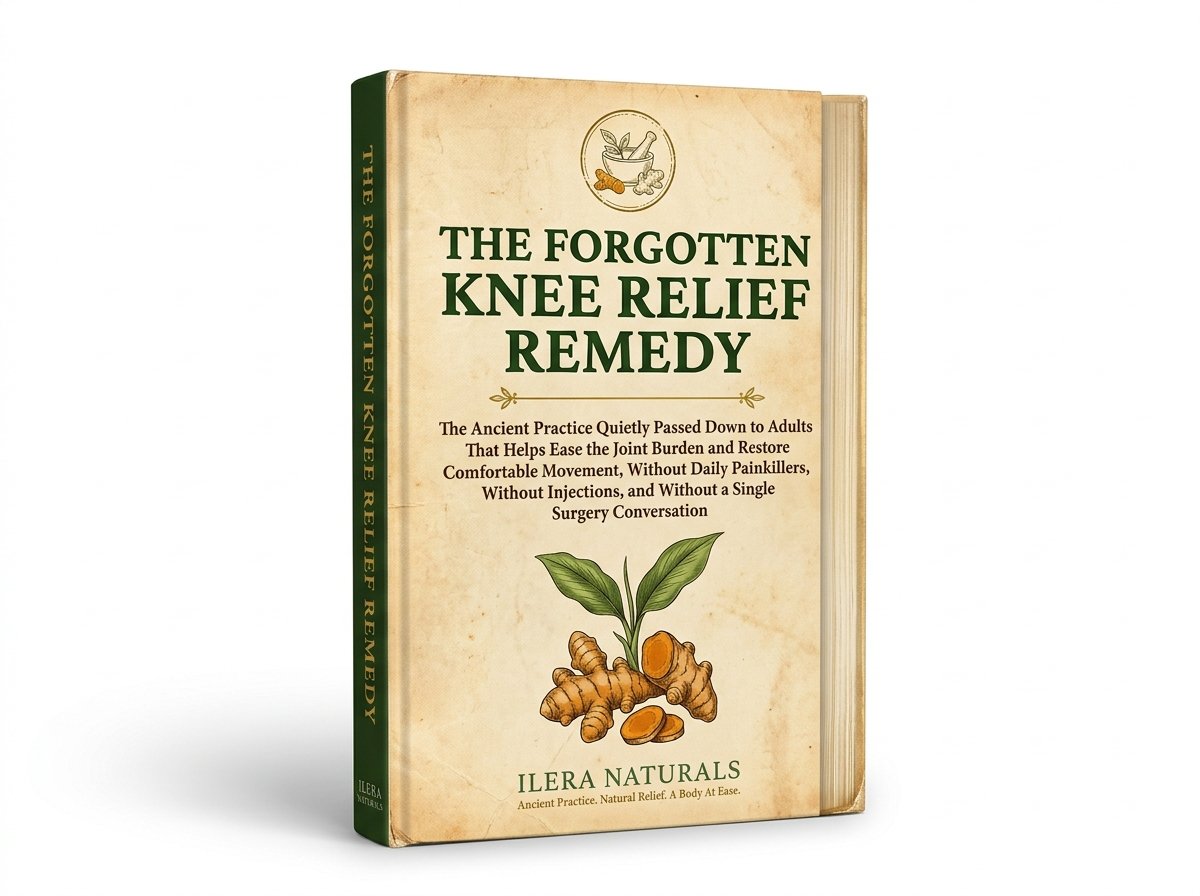
The Ancient Practice Quietly Passed Down to Adults That Helps Ease the Joint Burden and Restore Comfortable Movement, Without Daily Painkillers, Without Injections, and Without a Single Surgery Conversation.
Everything Iya Dupe taught me. Every herb, every instruction, every warning. Inside one clear, honest guide. Written alongside verified medical research, not instead of it.
Inside this guide, you will discover:
✓ The 3 natural compounds that published clinical trials show may reduce knee inflammation as effectively as standard painkillers, with fewer side effects. Available in any Nigerian market for less than N2,000 total (Page 6)
✓ The exact preparation method Iya Dupe uses, step by step, ingredient by ingredient, so you can start tonight in your own kitchen (Page 11)
✓ The morning movement sequence that takes 8 minutes, requires no equipment, and gently wakes stiff joints up before the day begins (Page 16)
✓ The 5 common Nigerian foods that silently worsen joint inflammation, and what to replace them with (Page 20)
✓ Why glucosamine supplements failed you, and what the research actually says about natural joint support (Page 24)
✓ The "alongside your doctor" framework, how to use this practice as a complement to your existing treatment, not a replacement (Page 28)
✓ Iya Dupe's specific protocol for knees that have been stiff for 3 years or more (Page 31)
You do not need to travel to any village. You do not need to see any herbalist. You do not need anyone's permission.
Everything you need is available in your local market. Total cost of all the ingredients? Less than N2,000.
Compare that to:
This practice costs less than a single pharmacy visit.
And it works alongside your doctor, not against them.
How Much Does This Guide Cost?
Let me be direct with you. I am a retired banker. I understand value. I also understand what it costs to put something like this together properly.
- I spent two full days with Iya Dupe documenting every detail: Travel + time
- I paid a health researcher to verify every herbal claim against published clinical trials: N40,000
- I hired a writer to organise everything clearly: N30,000
- I paid a designer to make the guide professional and easy to follow: N15,000
A fair price would be N15,000. Given what I spent on painkillers alone (over N120,000 in one year), that would still be a bargain.
But I know times are hard. And I did not create this to get rich. I created it because I do not want anyone to go through what I went through.
So if you take action right now, today:
This price is for the first group of people who act today.
After that, it goes back to N15,000.
Once you click the button above, here is what happens:
- You will be taken to a simple, secure payment page
- Complete your payment of N9,700
- Your complete guide plus both bonuses are delivered instantly to your email
What People Are Saying After Starting The Practice
WAIT. There Is More.
If you are among the first group to get this guide today, I am adding 2 bonuses completely free:
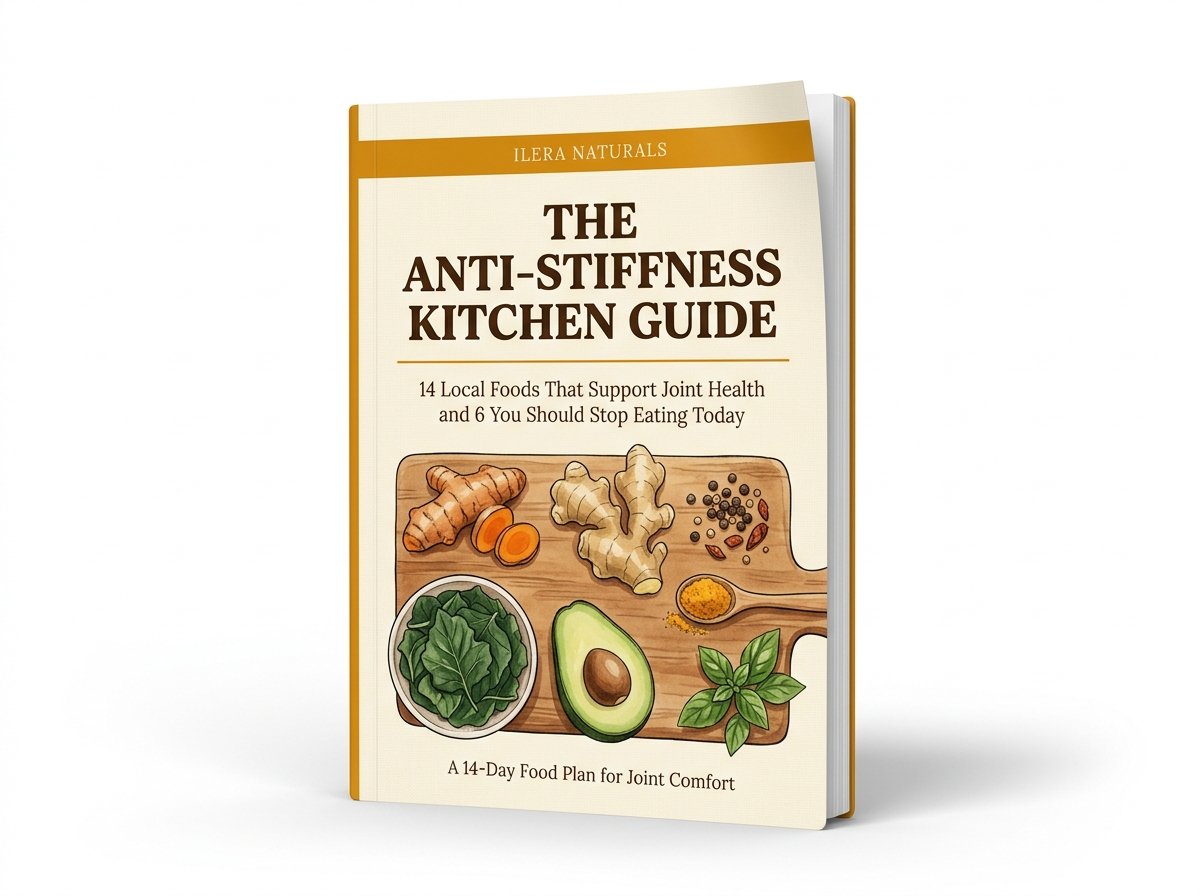
Bonus 1: The Anti-Stiffness Kitchen Guide
(Value: N5,000)
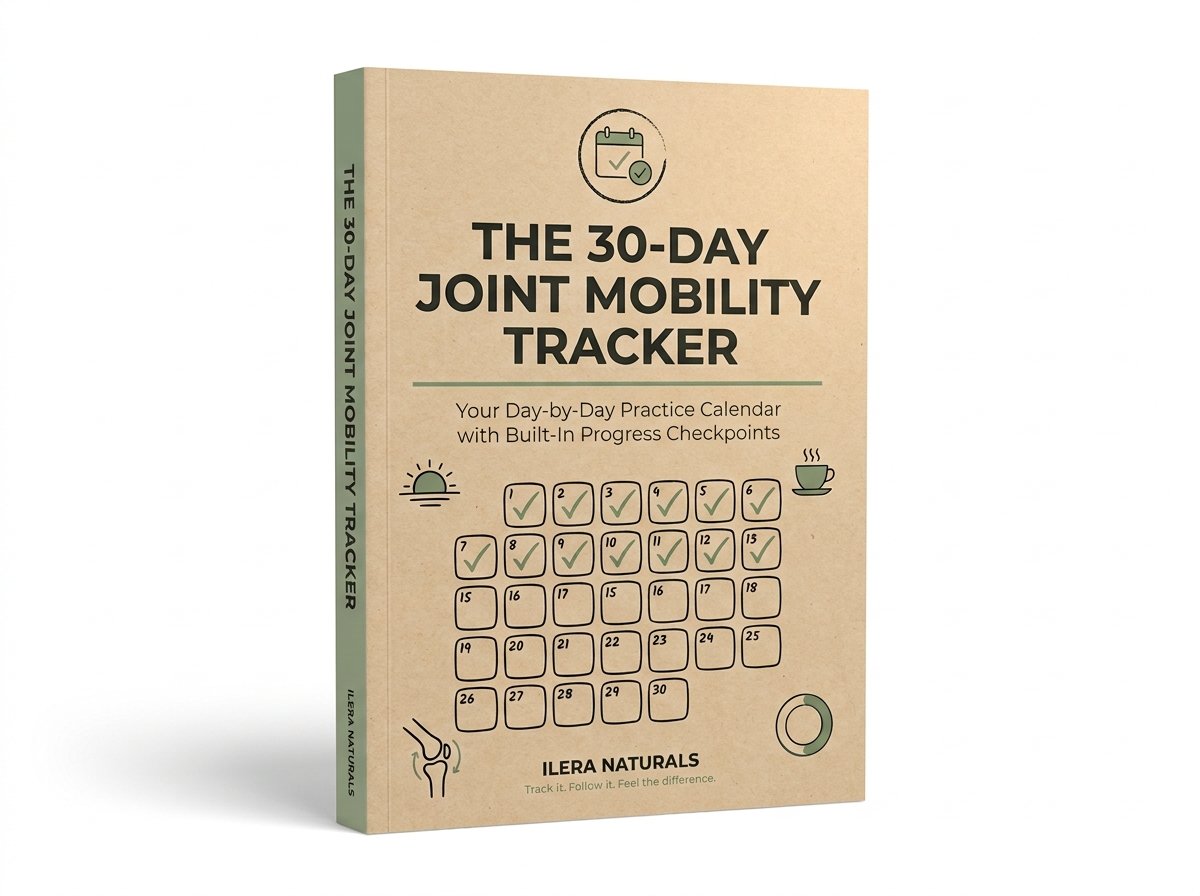
Bonus 2: The 30-Day Joint Mobility Tracker
(Value: N5,000)
Bonus 1: The Anti-Stiffness Kitchen Guide (Value: N5,000)
A 14-day food plan showing you exactly which Nigerian foods support joint health and which ones silently make inflammation worse.
- 11 common Nigerian foods that help ease joint stiffness naturally
- 6 foods you are probably eating every day that worsen inflammation
- Simple substitutions that take zero extra effort
- A morning drink recipe that sets your joints up for the day
Worth N5,000. Yours free today.
Bonus 2: The 30-Day Joint Mobility Tracker (Value: N5,000)
A day-by-day calendar that tells you exactly what to do each day for 30 days.
- No guessing. Open the tracker, see today's instruction, do it
- Built-in checkboxes so you can mark your progress
- Gentle movement sequences mapped to each week
- By Day 30, the routine will be second nature
Worth N5,000. Yours free today.
Everything You Are Getting Today

My 90-Day Practice-Based Guarantee
Step 1: Get the guide today.
Step 2: Follow the practice exactly for 30 days.
Step 3: Do the morning movements. Take the preparation. Follow the food guide.
If after 30 days of consistent use you do not feel a meaningful difference in your knee stiffness and daily movement...
Send me a message and I will refund your N9,700. No drama. No difficulty. No questions.
You have nothing to lose and your knees to gain back.
Right Now, You Have A Choice To Make
Continue taking two painkillers in the bathroom before every family gathering.
Continue sitting at owambes while everyone else dances.
Continue staying seated when the pastor says "Let us kneel."
Continue making excuses. "Traffic was bad." "I am fasting." "My schedule is full."
Continue watching your children reach for your arm on every staircase.
Maybe it will get better on its own.
(It will not. Osteoarthritis is progressive. The reclassification your children have already made in their heads does not reverse itself.)
Imagine 21 days from now.
Your daughter walks beside you on the staircase. Her hand stays at her side. She does not reach for your arm. You both notice. Neither of you says a word. But you both know what it means.
Your friend drags you to an owambe and the music starts. You stand up. You dance. She grabs your arm and shouts "What happened to you?"
The pastor says "Let us kneel." You go down. Both knees. No calculation. No hesitation.
The painkiller strip in your handbag? You throw it away. You do not need it anymore.
This can be your reality. But only if you act today.
Questions People Ask Before Getting The Guide
One Last Thing
I want you to picture something.
It is three weeks from now. Sunday morning. You are getting dressed for church.
You walk to the staircase. You start going down. Both flights. Your hands are at your sides. You are not gripping anything. You are not calculating. You are just walking.
Halfway down, you realise your child is behind you. Walking at a normal pace. Not hovering. Not reaching. Just walking.
You reach the bottom and turn around. Your child meets your eyes. And something passes between you that does not need words.
They see it. You see it.
You are back.
Not the person who needed to be carried. The person who carries.
At church, the pastor calls for prayer. You kneel. Both knees. No hesitation. The woman beside you does not notice. That is the point. It is not an event anymore. It is just normal. The way it should always have been.
After service, your friend says "Sade, let us go to that new restaurant." You say yes. You walk there. You stand in line. You sit down and stand up without thinking about it.
How does that feel?
Not the dramatic moment. Not the miracle. Just the quiet return of a life where your knees are not the first thing you think about every morning and the last thing you feel every night.
That is what is waiting for you. But it starts with a decision you make right now.
Your body remembers how to move without pain.
It just needs to be reminded.
With care,
Sade
P.S. Remember, you have a 90-day practice-based guarantee. Either this method helps ease your knee pain, or you get every kobo back. You are not risking anything except another month of painkillers and pretending.
P.P.S. This price of N9,700 is introductory. It will go back to N15,000 once the first group is full. That is less than what you spend on painkillers in a single month.
P.P.P.S. Every gathering where you take two tablets in the bathroom before walking out smiling. Every staircase where your child quietly reaches for your arm. Every owambe where you clap from your chair while everyone else dances. That does not have to be your life. The best time to start was last year. The second best time is right now.
Ilera Naturals · Ancient Practice. Natural Relief. A Body At Ease.
Disclaimer: This guide contains traditional herbal wellness information supported by published research, shared for educational purposes. Individual results may vary. This guide is designed to complement, not replace, professional medical advice. The herbs and practices described may help support joint comfort but do not cure or reverse osteoarthritis. Always work alongside your doctor, especially if you are on medication. If you have a medical condition, please consult your healthcare provider before starting any new practice.